Catalog · Furniture

Cabinets

Storage that doesn't apologise for being there. Our cabinets are designed around the problem first — then built in wood that earns its place in a room.

Before You Brief Us

01

Standard Proportions

Shoe cabinets work at 30–35 cm deep and 90–110 cm tall, so the top doubles as a drop surface. Allow about 15 cm of shelf pitch for flats and sneakers, 20 cm or more for boots.

02

Never on the Floor

A cabinet should never drag along the floor. Raised legs, a recessed plinth or castors keep it clear of wet mops, let air move beneath and stop the base scuffing your tiles.

03

Ergonomics First

Everyday items belong between knee and shoulder height. Doors should open with one hand, and handles sit where the hand already falls — around 90–100 cm.

In This Category · 1 Piece

No.003

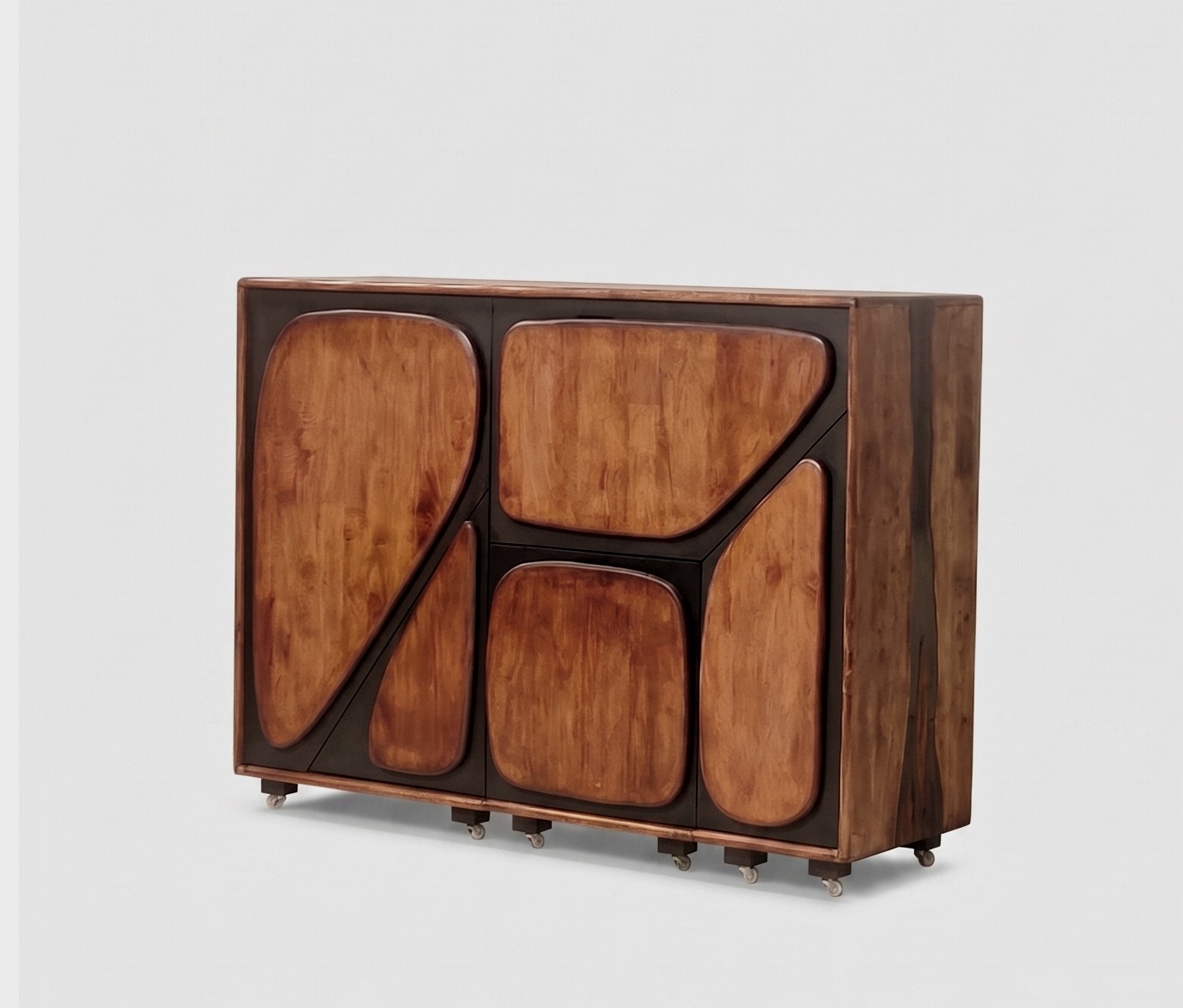
The Pebble Shoerack

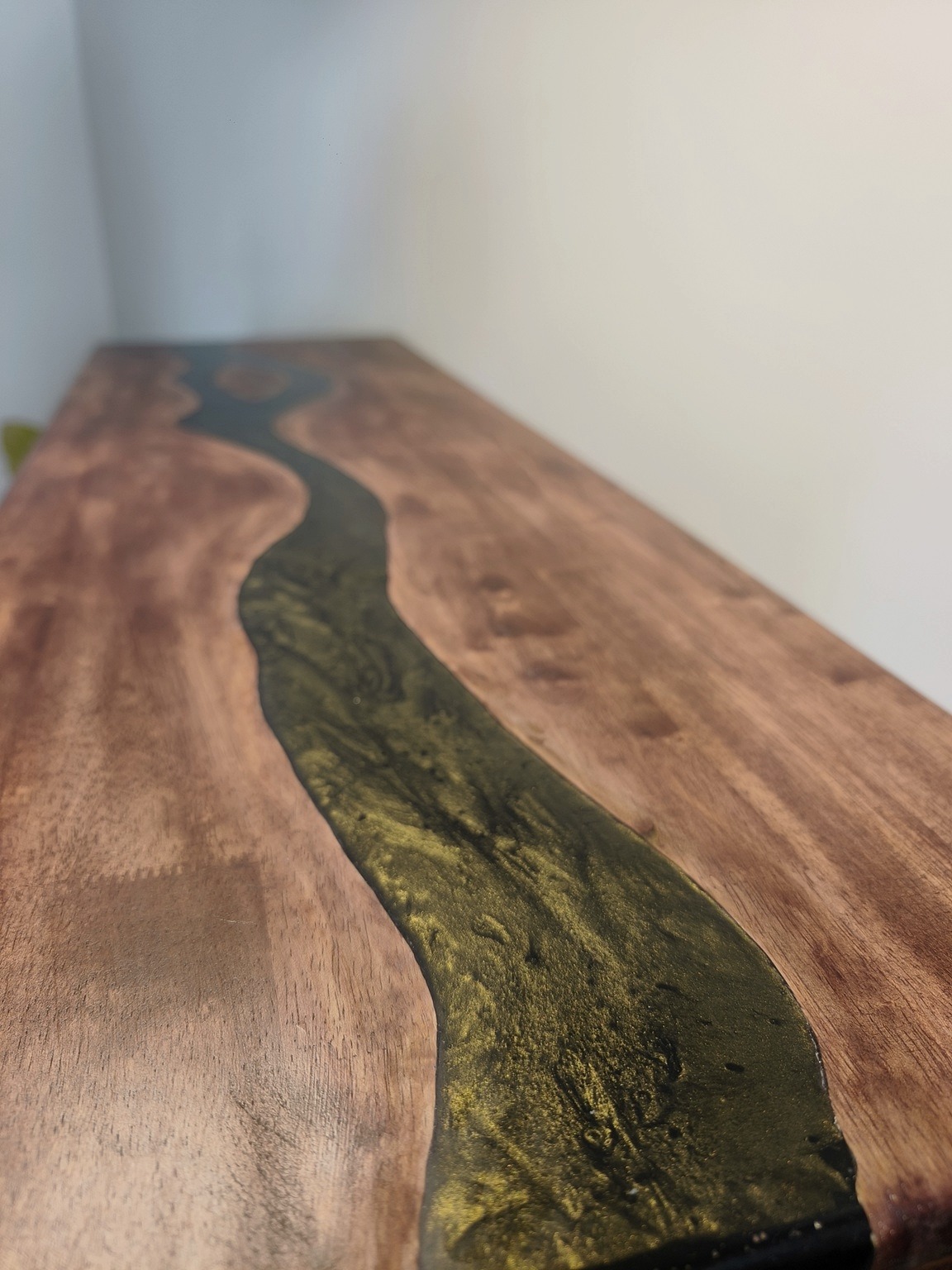
The shoe rack is the first thing a guest sees when they enter your home. So why should it be an afterthought? Inspired by pebbles in a riverbed, this piece features a continuous black and gold epoxy river running the full width of sustainably sourced hardwood slabs. The effect is geological, ancient, unhurried, and deeply specific.

View the Piece →

Commission a Cabinet

Your hallway. Your count. Every cabinet is built to the brief — bring the measurements and we'll take it from there.

The Pebble Shoerack — commission case study

Case Study

The Shoerack That Became the First Thing Guests Noticed

Raja had a growing family, a narrow foyer, and a shoe situation that had gotten out of hand. He wanted something that could hold 15–20 pairs, provide seating for putting shoes on, and not look like utility furniture.

The Pebble Shoerack was built around that brief. A black-and-gold epoxy river runs through the centre — the geological metaphor was intentional. The piece moves on lockable castors, so the entire entryway can be reconfigured for guests. The seating pad is removable.

Raja's note after delivery: “It's the first thing anyone asks about when they walk in.”

Piece
The Pebble Shoerack · 003
Client
Raja Majumder, Engineering Leader
Challenge
15–20 pairs, seating, foyer aesthetics
Solution
Epoxy river top, castors, removable seat pad
View The Pebble Shoerack →
Questions

About Cabinets

What's the difference between the Pebble Shoerack and a custom cabinet brief?

The Pebble is a defined design — you can commission it in your dimensions and finish. A custom cabinet is built from your brief entirely: capacity, depth, hardware, and form are all specified to your space.

Can you build a shoe cabinet with a bench seat?

Yes. The Pebble has an integrated seating surface with a removable pad. This can be incorporated into any custom cabinet brief.

What wood do you use for cabinets?

Rubberwood for the primary structure — stable, hard, and takes finish beautifully. Mango for decorative faces when the brief calls for it. All timber is kiln-dried.

Can I specify the number of shoe pairs the cabinet should hold?

Yes. We build to capacity, not standard sizes. Tell us how many pairs, whether you have boots or heels, and we'll design the shelf pitch accordingly.

Do your cabinets have soft-close hardware?

Yes, all hinges and drawer slides are soft-close commercial grade as standard.

Can the cabinet be moved?

Lockable castors can be added to any freestanding cabinet. The Pebble comes with them as standard.

How long does a cabinet take?

4–5 weeks from finalised brief. Complex joinery or epoxy pours add a week.

Do you do TV units or media cabinets?

Yes, media cabinets and TV units are within scope. Brief us on screen size, cable management needs, and the wall — we'll handle the rest.